

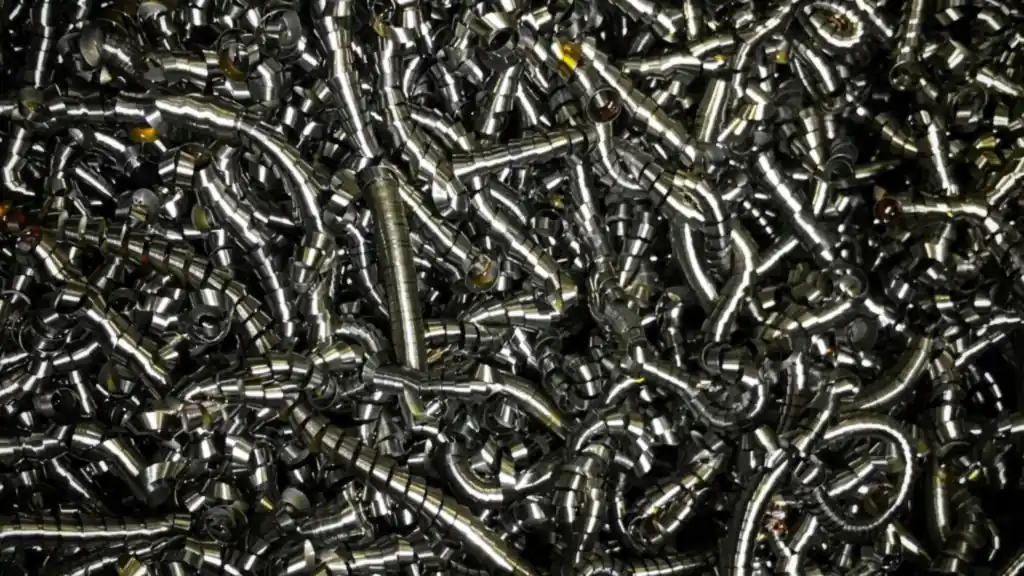
The UAE VAT reverse charge on scrap metal applies only when four conditions hold. They are qualifying metal scrap, both parties VAT-registered, a buyer who resells or processes it, and declarations given before the date of supply. Scrap bought for own use and exports follow other rules, so each line needs its own classification.
What is the metal scrap reverse charge?
Normally the seller charges 5% VAT and pays it to the FTA. Under the reverse charge, the seller charges no VAT.
The buyer calculates the 5% itself, reports it in its own VAT return and, if entitled, recovers it in the same return.
The rule comes from Cabinet Decision No. 153 of 2025 and covers supplies made on or after 14 January 2026. In October 2026 the Federal Tax Authority (FTA) set out how it applies in VATP047.
| At a glance | Position under VATP047 |
|---|---|
| Applies to | Qualifying metal scrap supplied on or after 14 January 2026 |
| Who must be VAT-registered | Both the supplier and the buyer |
| Buyer's purpose | Resale, or use in processing |
| Who accounts for VAT | The buyer, if every condition is met |
| Paperwork deadline | Before the date of supply |
| Exports | Outside the mechanism |
Reverse charge is not an exemption. VAT is still due, and only the business that accounts for it changes.
Which metal scrap is covered?
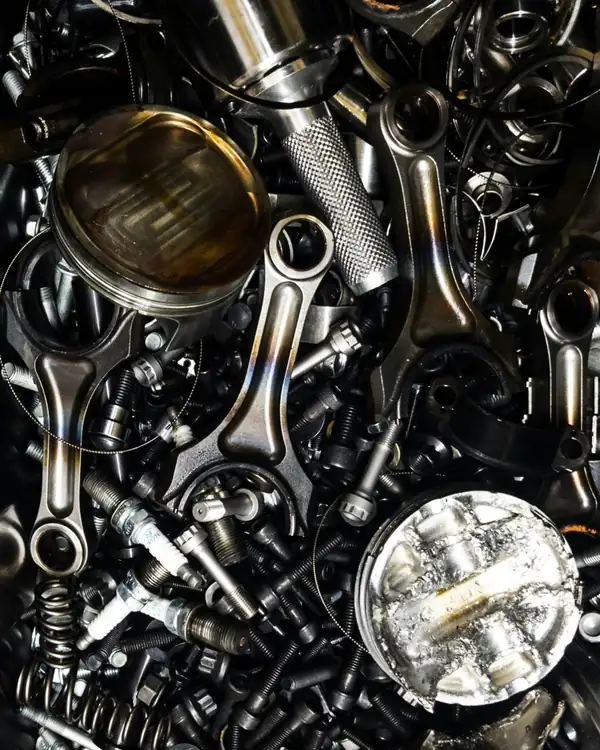
Metal scrap means ferrous or non-ferrous metal waste with commercial value that can be used after processing. The legal definition decides, whatever the product is called.


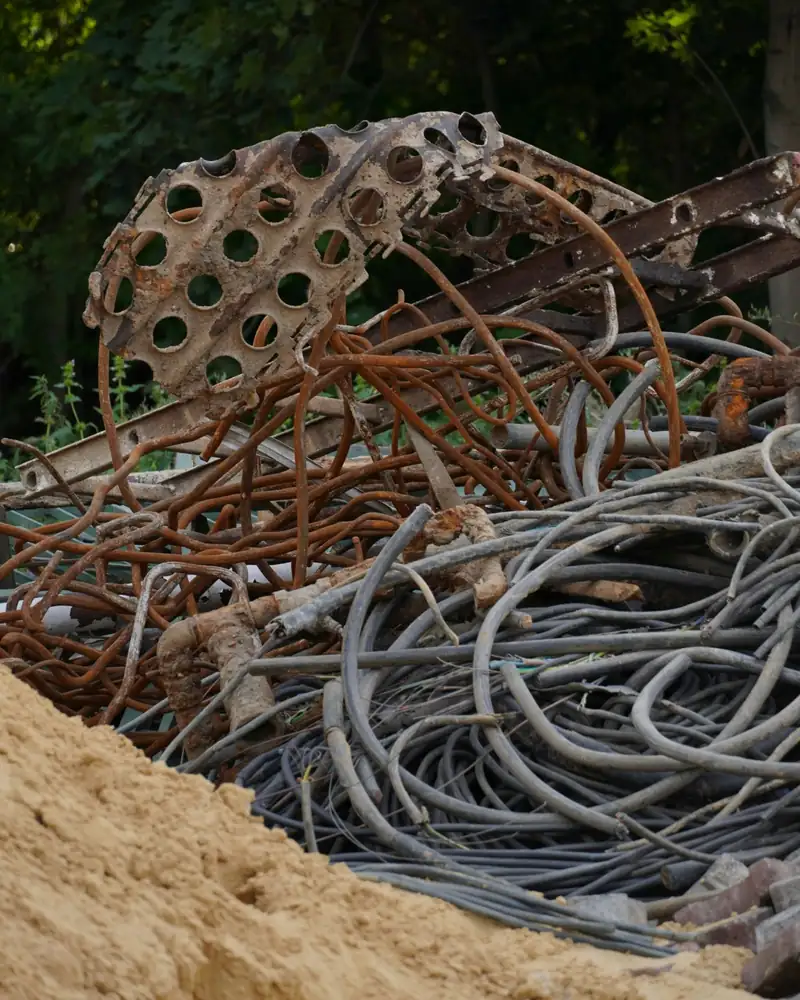
What stays under normal VAT
- Plastic
- Paper and cardboard
- Glass
- Rubber
- Textiles
- Organic waste
Mixed loads need line-by-line treatment
A recycler trading metal and non-metal scrap cannot run one VAT treatment across every purchase and sale, so each line is classified on its own. Qualifying metal follows the reverse charge; everything else follows the normal rules.
Used lead-acid batteries can qualify where lead is most of the product and the main material recovered. Small amounts of plastic or electrolyte do not change that.
When does the reverse charge apply?
All four conditions must be met. The goods are qualifying metal scrap, both businesses are VAT-registered, the buyer intends to resell or process the scrap, and the paperwork is done before the supply.
| Buyer's purpose | Reverse charge? |
|---|---|
| Resale: bought as trading stock and sold on, wholesale or retail | Yes, if the other conditions are met |
| Processing: turned into material for new products, by repair, recycling or another method | Yes, if the other conditions are met |
| Own use: for example repairing racks, fences or supports at your premises | No, normal VAT rules apply |
What the buyer must do
Before each supply, the buyer gives the supplier written declarations of its VAT registration and its intended use of the scrap. Timing and wording both matter: a statement collected after delivery, or a TRN sitting in a customer file, is unlikely to be enough.
Supplier obligations
Before the supply, the supplier must hold those declarations, verify the buyer's registration with the FTA and state on the tax invoice that the reverse charge applies. Dropping the 5% line from an invoice is never enough on its own. We set up the declaration, verification and invoice trail for both sides. For a new scrap business, we build the same trail into your scrap metal trading licence setup.
If the declaration is missing
The reverse charge fails, and the supplier must charge VAT at the standard 5%.
The buyer also loses the right to recover that VAT, so the 5% becomes a direct cost on every purchase made without declarations.
The declarations have to be in place before each supply.
Reporting it in the VAT return
The buyer reports the reverse charge in its own return and recovers the VAT only where it is entitled to. The supplier leaves qualifying sales out of its VAT figures but keeps them in its books. Errors usually start with one domestic VAT code used for everything in the accounting system. Our UAE bookkeeping and accounting service keeps these classifications right.
Do metal scrap exports count?
No. Direct and indirect exports sit outside Cabinet Decision No. 153 of 2025. Where the zero-rating conditions are met, the supplier reports the export as a zero-rated supply under the normal rules.
Planning to ship goods abroad does not, by itself, meet those conditions; the export evidence does.
Typical scrap purchases
| Situation | Likely VAT treatment |
|---|---|
| A scrap dealer buys steel scrap to resell, gives both declarations before supply, and the supplier verifies the TRN and invoices correctly | Reverse charge |
| A manufacturer buys aluminium scrap to recycle into material for new products, with declarations and verification complete | Reverse charge |
| A warehouse company buys scrap metal to repair its own storage racks | Normal VAT: neither resale nor processing |
| A dealer buys copper scrap to resell but gives no declarations before supply | Standard rate, and the buyer cannot recover the input VAT |
What to review since 14 January 2026
VATP047 arrived in October 2026, but the rule has applied since 14 January 2026, so the review starts from that date.
Classification, declarations, registration checks, invoice wording and return reporting all need to hold for each supply since that date. Where a gap shows, the correction has to be assessed before a return is amended, and a declaration written after the event does not cure a missed pre-supply requirement. We run the review and handle any correction.