

General trading licence in Dubai
One licence covers most ordinary goods. We check where it stops before you choose a free zone or the mainland.
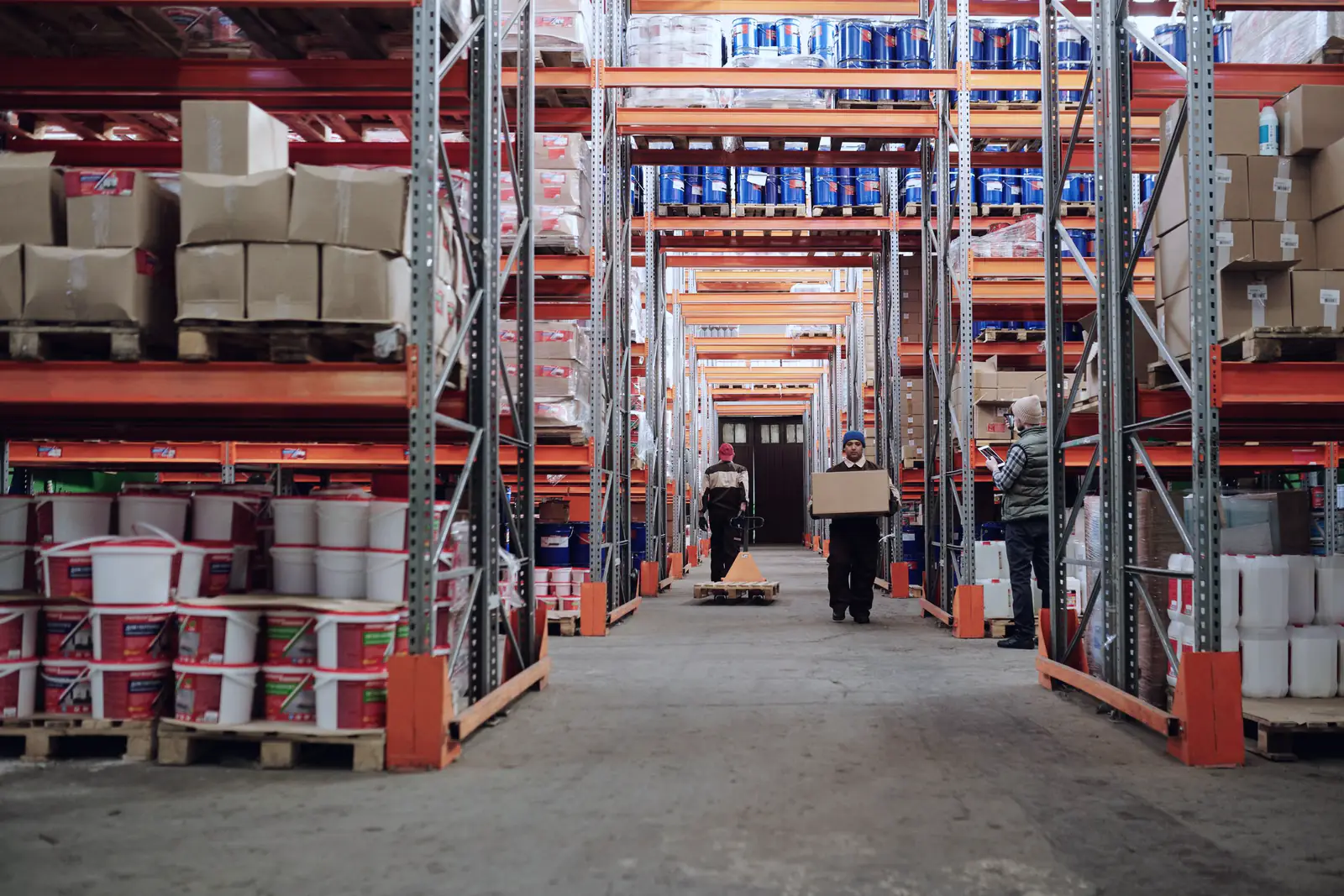
- Free zone licence
- DMCC, IFZA, RAKEZ
- Mainland licence
- DET
- Goods clear with
- A customs importer code
- Decides the route
- Where buyers sit
For a general trading licence in Dubai, where your buyers sit decides the route. A free zone licence fits international and re-export trade, while selling to UAE customers needs the DET mainland licence or a mainland channel alongside a free zone entity. We check your product list for regulated goods, apply for the customs importer code and prepare a clear trade narrative. The account decision stays with the bank.
General trading sits in our Established engagement
General trading setups usually bring related decisions: which free zone suits the product lines, whether a mainland channel is needed from day one, the customs code and the banking narrative.
Activities
Set correctly from the start
General trading activity and any added activities, with regulated-goods approvals identified and coordinated.
Customs
An importer code in your name
Physical goods clear the port in your company's name only with a code from the customs authority, which we apply for inside the setup.
Structure
Free zone or mainland
Confirmed before application, against where your buyers sit and whether a mainland channel is needed from day one.
Banking
A trade narrative the bank can read
Visas, the establishment card and the bank account narrative prepared, covering what you trade and who buys it.
Cost depends on the zone, the visa count and the goods you trade. We confirm the scope for your structure before you commit.
Where general trading company setups stall
None of the three shows up at the licensing desk, because each appears later, at the first order, shipment or bank meeting. A wrong structure costs far more than any licence saving, as it does across business setup by industry, and the gap is widest here.
- Surfaces at the first order
The regulated line you did not flag
Food, pharmaceuticals, tobacco, alcohol and medical devices sit outside the plain general trading licence. Each needs its own activity and an authority approval. Found after the licence is issued, it costs time and sometimes an amendment. For one product line, see the electronics trading licence, the watch trading licence or the textile trading licence. Shop counters such as a mobile shop licence or an optical shop licence start as DET retail.
- Surfaces at the first onshore shipment
The free zone that cannot reach your buyers
Goods moving from a free zone onto the UAE mainland are imported, with customs duty of about 5% and a mainland channel such as a distributor or branch. If local customers are the plan, a free zone licence alone means paying for the channel twice.
- The bank decides
The bank that reads your list as a risk
A vague product list, high-risk sourcing or destination countries and hard-to-evidence fund flows all slow a trading account. The bank decides under Central Bank supervision, and a clear narrative prepared first helps it decide.
Free zone or mainland general trading licence?
One question settles most general trading structure decisions, and it should be answered before anyone files: where do your buyers sit?
| Buyers outside the UAEFree zone | Mainland, or both | |
|---|---|---|
| Where your buyers sit | Outside the UAE: international, regional and re-export trade | Inside the UAE: direct local sales |
| Licence issued by | Free zones such as DMCC, IFZA and RAKEZ, with 100% foreign ownership | Dubai's Department of Economy and Tourism (DET), with direct onshore selling rights |
| Goods moving onshore | Imported, with about 5% customs duty and a mainland channel | Sold locally; many established traders also run a free zone entity, with a customs code and about 5% duty on goods moving onshore |
Buyers outside the UAEFree zone
- Where your buyers sit
- Outside the UAE: international, regional and re-export trade
- Licence issued by
- Free zones such as DMCC, IFZA and RAKEZ, with 100% foreign ownership
- Goods moving onshore
- Imported, with about 5% customs duty and a mainland channel
Mainland, or both
- Where your buyers sit
- Inside the UAE: direct local sales
- Licence issued by
- Dubai's Department of Economy and Tourism (DET), with direct onshore selling rights
- Goods moving onshore
- Sold locally; many established traders also run a free zone entity, with a customs code and about 5% duty on goods moving onshore
The free zone is designed for goods that cross borders, with no onshore complication. See the trade-off in full.
Common licence assumptions
A general trading licence is broad, but it has limits, and those limits are where setups stall at the first shipment.
"One licence sells anything."The breadth feels unlimited, so the product list is left vague.
"Goods move freely once I am set up."Imports are assumed to clear on the strength of the licence alone.
"A free zone reaches everyone."Local UAE buyers are treated as just another market.
The regulated-goods wall.Sensitive categories each need their own activity and authority approval. We check your full list against the current activity list before filing.
The customs importer code.Physical goods clear the port in your company's name only with a code from the customs authority, which we apply for inside the setup.
The mainland duty line.Selling into the local market is an import, with about 5% duty and a mainland channel. It decides whether the free zone numbers still work.
How we run a trading setup
Structure
We confirm whether free zone or mainland fits your trade flows, shortlist the right free zone and flag any regulated-goods categories needing a separate activity and approval.
Licence
We take the approvals and the licence through the free zone authority or DET, with every activity set correctly from the start.
Visas and customs
Residence visas follow, and where you move physical goods we register the customs importer code so shipments clear in your name.
Banking
The corporate bank account is prepared with a clear trade narrative covering what you trade, where it comes from and who buys it. Most UAE banks look closely at trading accounts, and the decision is theirs.
We will not recommend a broad licence when your buyers point to a different structure.
The breadth makes everything look possible, so we review it before anything is filed.
If a narrower import and export route fits what you move, we will tell you.
We look after four things
- The right jurisdiction for your buyers.
- The regulated lines caught early.
- A customs and duty position you understood before the first shipment.
- A trade narrative the bank can read.
Specialist trading licences
Some goods carry their own licence and authority, so they sit outside plain general trading.
- Gold trading licence under UAE AML rulesGold, jewellery and stones, with goAML registration and AML duties from day one.
- Grocery licence in Dubai, shelf by shelfWalk-in food retail on the mainland, with tobacco and delivery permits where needed.
- Used car trading licence, local or exportBuying and selling used cars locally or for export, with RTA transfers per car.
- Medical equipment trading licence, device by deviceMedical devices and supplies, with an EDE warehouse licence and each device registered.
- Petroleum trading licence, desk, depot or tankerFuels, lubricants and bitumen, with Supreme Council of Energy permits once product enters Dubai.
- Cosmetics trading licence, for skincare and make-upSkincare and make-up, with every product registered with Dubai Municipality before sale.
Questions trading founders ask
A question about your own setup? Send it on WhatsApp and an advisor answers it directly.
Ask on WhatsAppHow much does a general trading licence cost in Dubai?
What can a general trading licence cover in Dubai?
Why do banks scrutinise a general trading company more closely?
Free zone or mainland for a general trading company?
Related routes
- Mainland versus free zoneThe trade-off in full, set by your customer.
- Import and exportWhen a narrower licence fits better.
- How a trading account opensThe bank decides under Central Bank rules.
- The free zones we form throughAnd which fits trading.
- Metal scrap VAT reverse chargeSince 14 January 2026, the buyer accounts for VAT on qualifying scrap.
- Find your licence activityEvery activity we license, in one list.
- E-commerce licensingSet by where the goods sit when a UAE order lands.
- Company formation in the UAEEvery structure, and the one that fits.
Structure it for your buyers
Fifteen minutes with a senior advisor on what you trade, where it comes from and who buys it. You leave with the jurisdiction, the customs and duty position, any regulated-goods approvals and the banking narrative set out.
On the call
- What you trade, where it comes from and who buys it
- The jurisdiction, and the customs and duty position
- Any regulated-goods approvals, and the banking narrative
