

Foodstuff trading licence for importers in Dubai
The licence is quick, but each product has to be registered with Dubai Municipality before its consignment reaches the port.
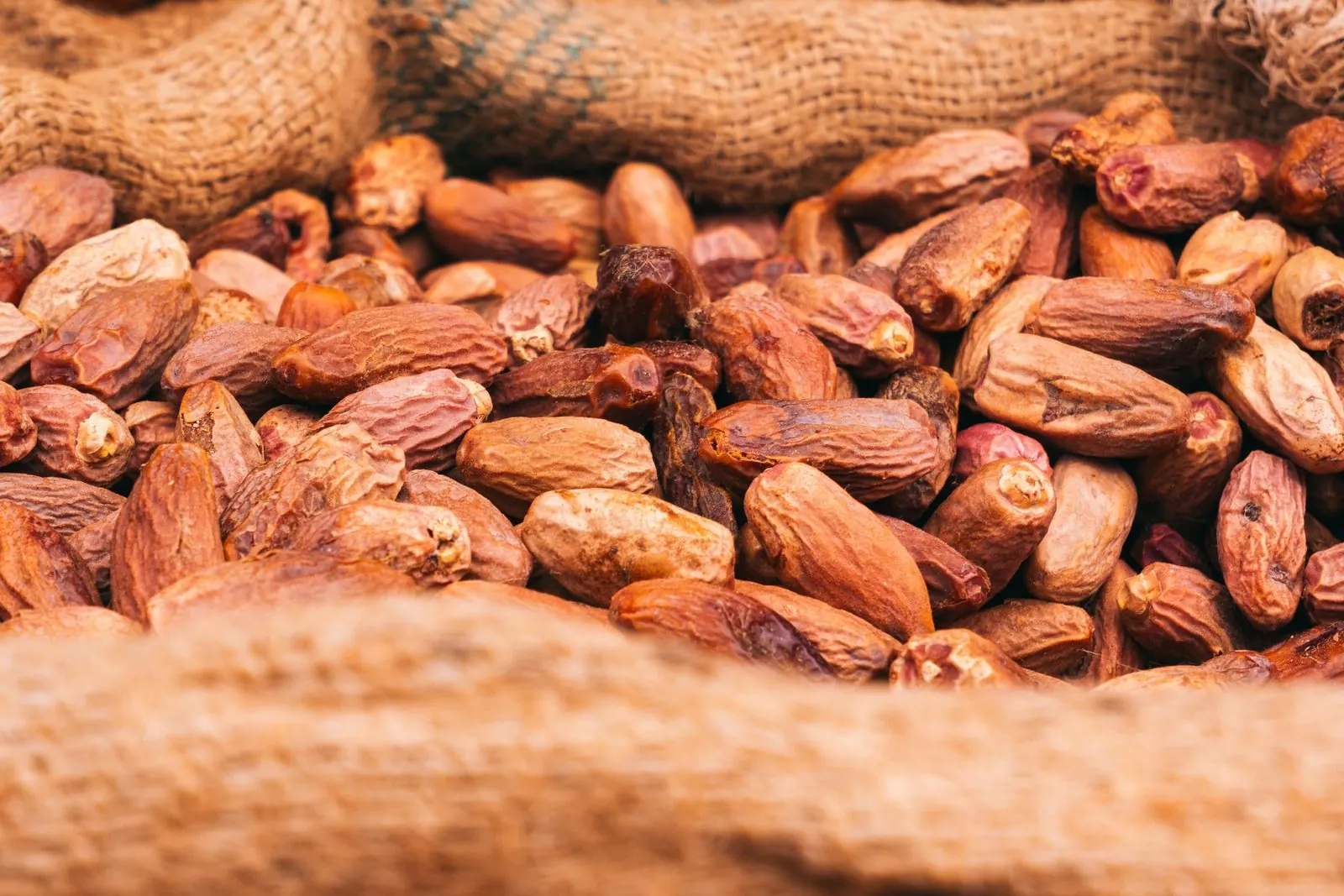
- Usual route
- Mainland or free zone
- Extra approval
- Dubai Municipality
- Timeline
- Weeks
- AML
- Not a DNFBP activity
A foodstuff trading company imports, stores and sells food in bulk to other businesses, on a licence from the Department of Economy and Tourism (DET) or a free zone. Each food item is registered with Dubai Municipality before its consignment arrives, and a Dubai warehouse is a food establishment with its own layout approval and inspection.
- Covers
- Importing, storing and selling food wholesale to businesses
- Not covered
- Retail to shoppers, cooking, and processing such as milling or roasting
- Premises
- A Dubai Municipality approved warehouse, with cold chain where needed
- Timeline
- Weeks, led by item registration and the warehouse approval
What a food trading licence covers
The activity covers buying food from suppliers and selling it on to shops, restaurants and other traders, in the UAE or abroad.
Covered
Not covered
- Covered by Grocery and supermarket
- Covered by Food manufacturing
- Covered by Dubai Municipality non-halal permit
Tick what you plan to do. The result shows here.
We fix the wording before you apply. Send us your list on WhatsApp
Meat and non-halal lines bring their own rules, so we read your product list against the licence wording before anything is filed.
Re-export or sell into Dubai
Where buyers sit decides it: re-export suits a free zone, and selling into the Dubai market points to a mainland licence or a distributor.
| If most of your clients are | Likely route | Why |
|---|---|---|
| Buyers abroad, goods passing through Dubai | Free zone | Import, storage and re-export sit comfortably in a free zone warehouse |
| Shops, restaurants and caterers across Dubai | Mainland (DET) | Local wholesale is a regulated food activity, so it usually sits with DET |
| Both, with stock in one warehouse | Either route | A free zone company paired with a mainland licence or distributor covers both |
A free zone company can reach the mainland through a DET branch licence or permit (Executive Council Resolution 11 of 2025). Sales to mainland buyers face the QFZP qualifying test.
Several free zones license this activity; we match the zone to your visas, office and banking. Compare free zones
Three questions. The closest row is marked in the table above.
Your likely route shows here.
Approvals that gate a shipment
Dubai Municipality registers each food item, checking conformity and the label, before its consignment reaches the port. The shipment is then released on arrival or sent down the re-export track, and the warehouse is approved as a food establishment.
Before the licence
- Trade name and initial approvalDET
The licence
- Trade licenceDET
Alongside the licence
- Warehouse layout and inspectionDubai Municipality
- Person in Charge, food tradeDubai Municipality
After the licence
- Food item registrationDubai Municipality
- Consignment release or re-exportDubai Municipality
- Corporate bank accountThe bank
We set the registrations against your first shipment date.
The licence clock and the shipment clock
The company is licensed well before its food can move, because the first shipment runs on a clock set by registration and the warehouse.
We line up the item registrations with the supplier's shipping date, so nothing lands at the port unregistered.
The company
- Trade name and licenceDays
- Corporate bank accountWeeks
The first shipment
- Arabic label agreedBefore shipping
- Items registeredWeeks
- Warehouse approvedWeeks
- Consignment releasedEach shipment
What the bank asks a food trader
Bank viewCloser look at suppliers, routes and buyers, screened for sanctions
Food trade, and re-export in particular, sits inside the trade-based money laundering patterns that banks watch. Expect questions on who the suppliers and buyers are, which countries the goods leave and reach, and how invoices match the shipping documents. Goods and routes are screened against sanctions lists. We put the supplier and buyer lists, sample invoices and the first shipping plan into the bank file.
AMLNot a DNFBP activity; the bank's own customer checks still apply.
Where food import files go wrong
Goods ship before the items are registered
Registration with Dubai Municipality comes before the consignment reaches the port. A container that arrives first waits there while the registration catches up, and perishable stock loses shelf life while it sits.
Labels that miss the Arabic rule
Food sold in the UAE carries Arabic labelling, alone or with English, and stickers need approval. Relabelling at the supplier's warehouse is far easier than relabelling after the goods have landed.
A broad licence over a mixed range
Some streams, meat and non-halal lines among them, bring their own activity or permit. A broad foodstuff licence that leaves them out holds up the shipment that carries them.
Questions about a foodstuff trading licence
A question about your plan? Describe your foodstuff trading plan and an advisor replies on WhatsApp.
Ask on WhatsAppDo I need Dubai Municipality approval to trade foodstuff?
Can a free zone company import food and sell it in Dubai?
Do I need a warehouse for a foodstuff trading licence?
Do I need a separate licence to trade meat or frozen food?
How long before I can import my first food shipment?
Related pages
 IndustryImport and export business setup in DubaiAn import export license in Dubai is decided at the customs line: mainland or free zone, the customs code, re-export rules and the bank that clears you.
 IndustryFreight forwarding and logistics companiesA freight forwarding license in Dubai: the gateway decides everything.
 BankingCorporate bank accounts in DubaiCorporate bank account opening in Dubai, prepared before you apply: the file a UAE bank reads, the right bank for your profile and a strong first file.
Plan the licence around your first container and the products inside it
Thirty minutes with a senior advisor on your products, suppliers and buyers. You leave with the activity wording, the route and the order of approvals before the first shipment.
On the call
- The activity wording that fits your plan
- The route, and the approvals in order
- A written scope, agreed before any work starts
