

Key takeaways
- Against IFZA, DMCC is worth its premium when banking certainty from day one matters to the business.
- For most pure service businesses IFZA or Meydan is the better call, and the bank that will open your account matters more than licence price.
- Switching zones later means liquidating the original entity and incorporating fresh, which resets the trading history banks recognise.
Is DMCC worth the premium?
There is no single best free zone in the UAE. The right one fits your activity, the bank you need and where the company is heading over five years. DMCC costs more, and for some businesses that is worth it.
It is worth it when your trade or clients make the zone part of your credibility, or when a slow bank account would stall you. Otherwise IFZA or Meydan usually fits, but choosing on licence price alone has its own costs:
- The bank that declines it on the zone behind your company.
- The activity it will not approve once you have filed.
- The restructuring a year later when none of it fits.
What each zone is for
Each zone suits a different kind of business.
IFZA
A young, low-overhead licensing authority with one of the widest activity catalogues in the UAE. It gives a flexible Dubai licence without a physical cluster you may never use.
Best when: you run a service, tech, consulting or multi-activity business that wants flexibility and has a straightforward banking profile.
DMCC
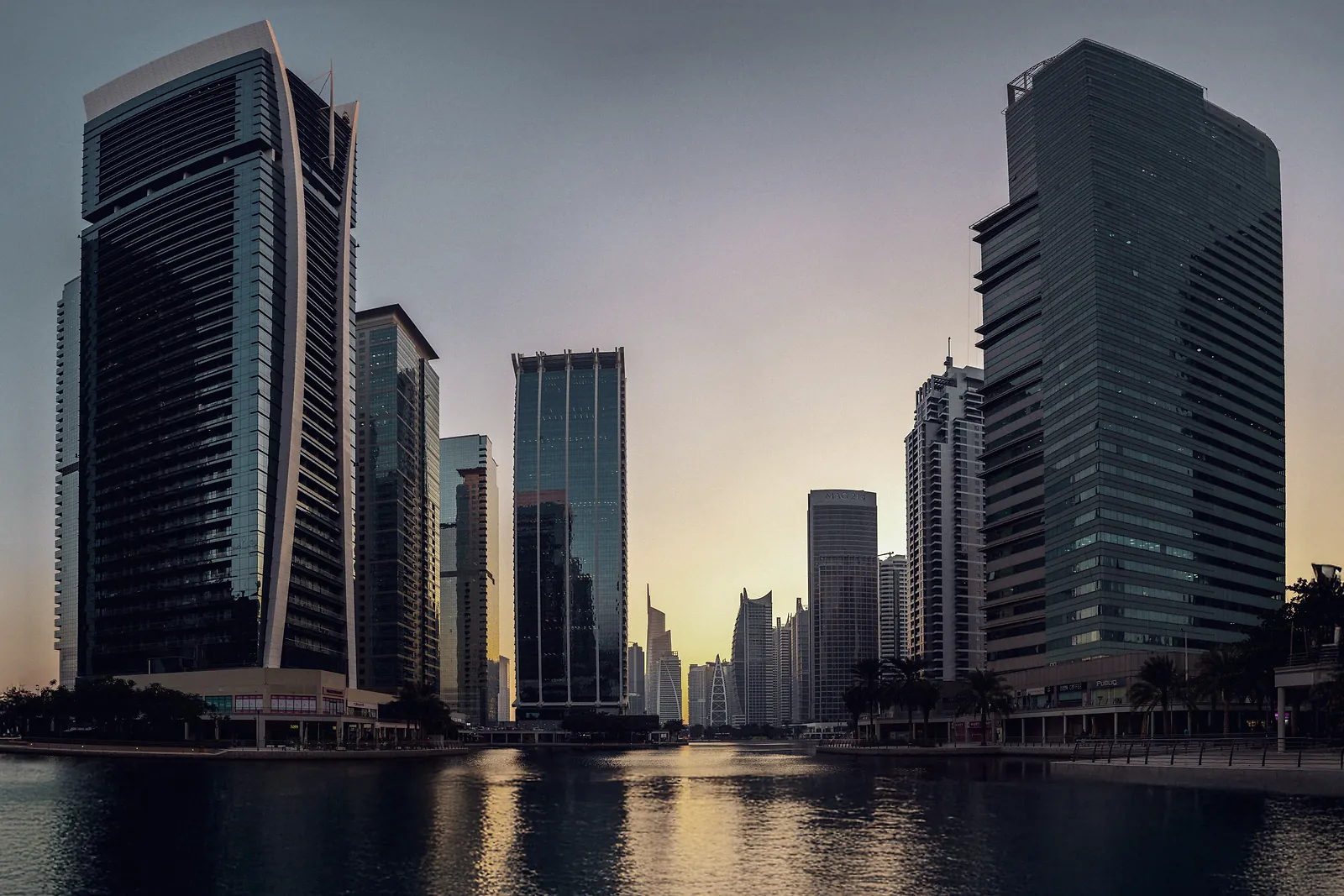
One of the largest, most established free zones, with a defined address cluster in Jumeirah Lakes Towers and deep institutional relationships. Its standing is real, and so is its higher cost.
Best when: you trade commodities, precious metals or finance, your clients weigh the zone behind you, or day-one banking certainty is worth paying for.
Meydan
A Dubai address with a simpler licence structure and quick setup. It has grown quickly with e-commerce, media and digital businesses.
Best when: you want speed and a Dubai address, and can build the trading history that earns a bank's confidence over the first months.
For most service businesses the real choice is IFZA or Meydan. It turns on which one approves your exact activity and how each reads to the bank you want.
DMCC comes in when commodities, finance or a status-conscious client base is involved. We set IFZA and Meydan side by side in our comparison of IFZA vs Meydan.
Claim your IFZA company from AED 11,500, until 30 November.
Does the zone affect banking?
UAE banks make their own KYC decisions, and several read the zone of incorporation as a risk signal. So we treat the zone as a banking decision first.
Smooth at accessible banks
Service-led IFZA companies generally open at the more accessible banks without much friction; the larger banks want trading history first.
Institutional weight opens doors
DMCC's long-standing relationships mean its companies usually meet fewer initial banking objections, especially in commodities, finance and regulated sectors. For a banking-sensitive business from day one, that certainty is part of the premium.
Maturing, and worth preparing for
Banking for Meydan companies has been mixed, with some banks cautious about applicants without trading history, though it is improving as the zone matures.
The same business can pass at one bank and stall at another because of the zone behind it. We choose the zone with the bank in mind, then prepare the application to fit, as set out on our corporate banking page.
What decides which zone is yours
Four things decide which zone is yours, and none of them is the licence fee.
On visas, the short version: all three zones handle lean flexi-desk operations of up to three or four visas. Need five or more without leasing a physical office, and mainland is usually the better structure, as in our mainland versus free zone comparison.
The costliest zone mistake is choosing on the lowest headline price, then struggling at the bank.
The right zone on day one usually costs less over five years than a cheaper zone followed by a restructuring. Our recommendation follows your activity and banking, not our margin.